
Your Story Is Unique. Your GS Answers Should Be Too.
A practical guide to answering Australia's Genuine Student (GS) questions for your Student Visa application.
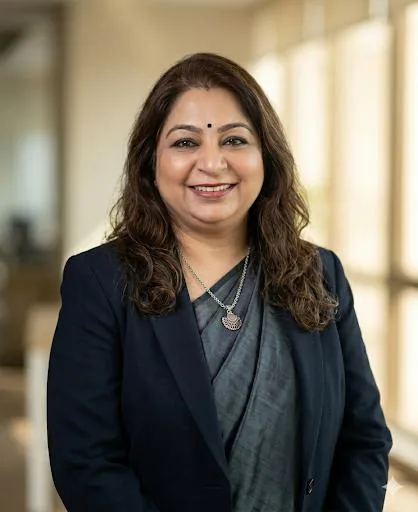 By Deepika Narula
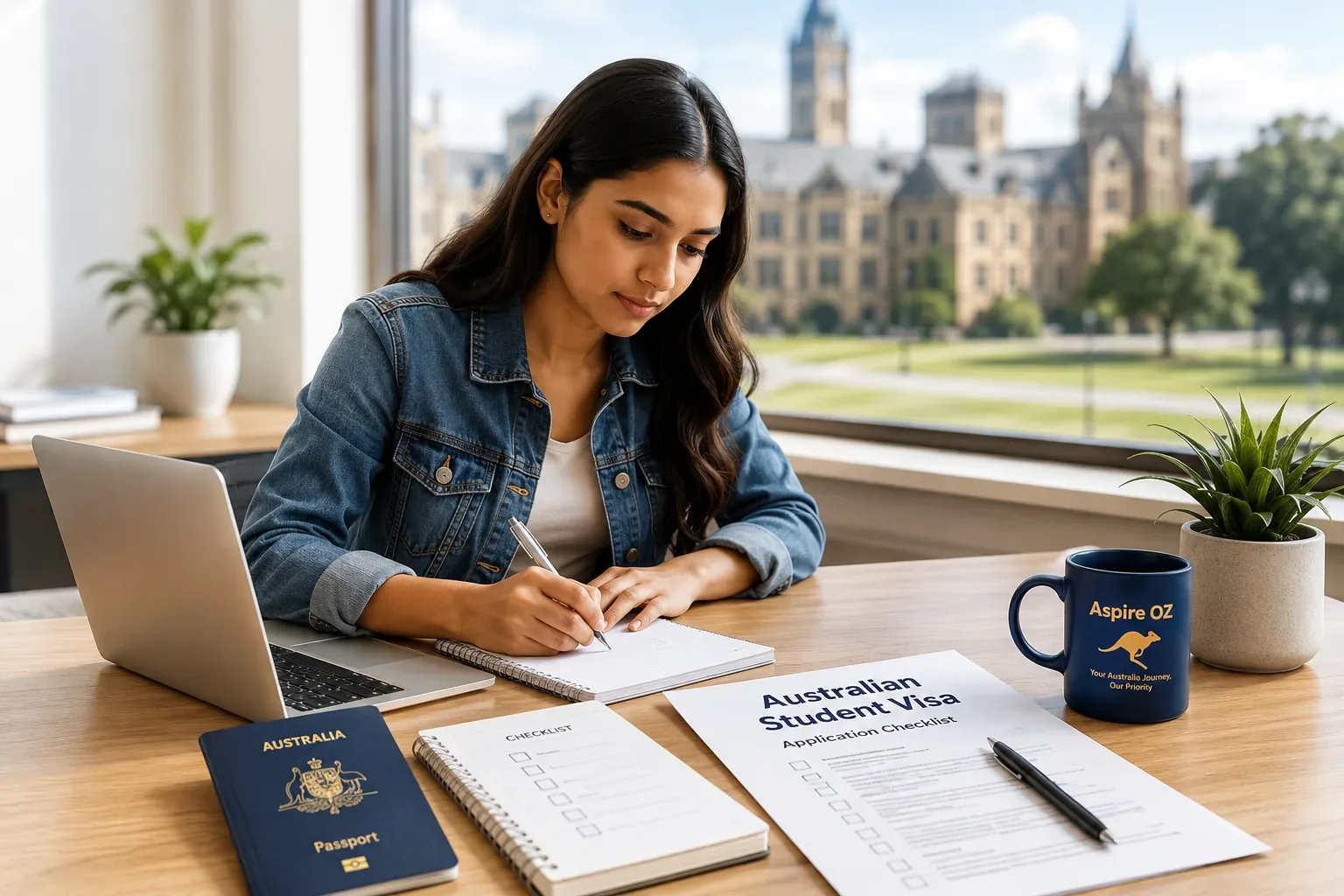
Every student comes from a different family, has a different academic background and a different career goal.
The Genuine Student (GS) requirement is not testing your English or your ability to write an impressive essay. It is simply asking you to explain your story, clearly, honestly and logically.
That is exactly how I encourage every student to approach it.
Why Students Get GS Wrong
Looking for sample answers or templates
Copying AI responses or internet content
Writing what they think universities want to hear
Instead...
Write your story. Make it genuine. Support it with evidence.
Think of the GS Questions as Four Chapters of Your Story
Who Are You Today?
Why This Course?
Where Will It Take You?
Anything Else We Should Know?
By the time someone finishes reading all four answers, they should understand who you are, why you chose this path and where you hope it will take you.
Chapter 1: Who Are You Today?
What visa officers are really assessing
They want to understand your current academic or professional standing, family background, financial stability and your community ties in your home country.
My advice
Keep it honest and factual. Connect your past education, work and experiences to where you are today.
Documents that support this answer
- Degree certificates
- Resume
- Employment letters
- Salary slips / tax returns
- Property or family support evidence
Chapter 2: Why This Course & This University?
What visa officers are really assessing
They want to see that you have researched the course, university curriculum and how it aligns with your academic and career goals.
My advice
Create a clear link between your current background, this degree and your future career path. Keep your goals realistic and achievable.
Career pathway example
- Current qualification: undergraduate degree
- Australian degree: specialized postgraduate program
- Target role: analyst / consultant
- Goal: long-term career progression in home country
Chapter 3: Where Will This Course Take You?
What visa officers are really assessing
They want to understand whether your study plans are realistic, logical and aligned with your long-term career goals, not just whether you hope to earn a higher salary.
My advice
Explain how this qualification bridges the gap between where you are today and where you want to be professionally. Focus on career growth, skills and long-term ROI.
Documents that support this answer
- Job descriptions
- Industry reports
- Labour market insights
- Employer expectations
- Professional body data
- Career progression research
Chapter 4: Anything Else We Should Know?
If You Have a Study Gap
Explain the reason clearly, the time period and what you were doing during that time. Support with evidence.
If You Are Changing Fields
Explain why your new course connects to previous studies or work and why this path is right now.
If You Had a Visa Refusal
Be honest and transparent. Explain what happened, what changed and how your current application is stronger.
If You Have a Clear Profile
Confirm your clear immigration history, academic continuity and commitment to visa conditions.
Common Mistakes Students Make
- Copying answers from the internet or AI
- Talking about PR or migration as the main goal
- Giving generic reasons for choosing Australia
- Financial documents not matching your claims
- Contradicting information across your application
- Exceeding concise response limits
Final Checklist Before You Submit
- Can every statement be supported by documents?
- Have you researched your course and university?
- Does your story make sense from start to finish?
- Is your answer paragraph clear and concise?
- Have you avoided buzzwords and overstatements?
- Did you proofread your response carefully?
Official References
- Australian Government - Department of Home Affairs (Student Visa Genuine Student requirement)
- Study Australia (Australian Government)
- Australian Department of Education